
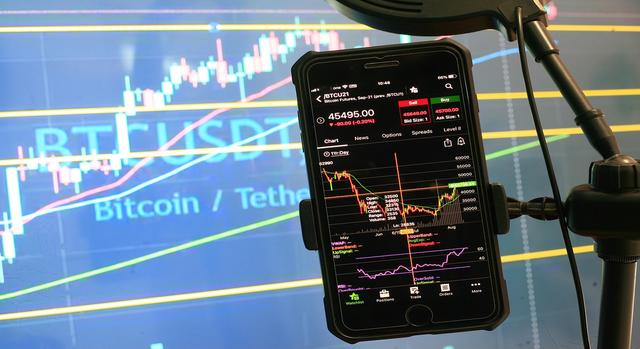
In the ever-evolving world of cryptocurrencies, investors are constantly seeking strategies to maximize their returns while managing risks. One such strategy is portfolio rebalancing. However, the challenge lies in executing this strategy without falling into the trap of overtrading, which can erode profits and increase transaction costs. This blog post explores how to use portfolio rebalancing in crypto without overtrading, offering insights, practical tips, and a comprehensive guide to help you navigate the crypto market effectively.
Understanding Portfolio Rebalancing in Crypto
Portfolio rebalancing is a strategic approach to maintaining the desired asset allocation within your investment portfolio. In the context of cryptocurrencies, this involves adjusting the weightings of different crypto assets to align with your investment goals and risk tolerance.
Rebalancing is crucial in the volatile crypto market, where prices can swing dramatically in short periods. By rebalancing, investors can lock in profits from outperforming assets and reinvest in underperforming ones, maintaining a balanced risk profile.
However, the key to successful portfolio rebalancing in crypto is to do so without overtrading. Overtrading can lead to excessive transaction costs, tax implications, and emotional decision-making, which can ultimately hurt your portfolio's performance.
Benefits of Portfolio Rebalancing
Portfolio rebalancing offers several advantages for crypto investors. Understanding these benefits can help you appreciate the importance of this strategy in your investment journey.
Enhanced Risk Management
One of the primary benefits of portfolio rebalancing is enhanced risk management. By regularly adjusting your asset allocation, you can maintain your desired level of risk, preventing any single asset from dominating your portfolio.
- Prevents overexposure to volatile assets
- Ensures diversification across various cryptocurrencies
- Aligns portfolio with your risk tolerance
This proactive approach helps shield your investments from significant losses during market downturns, ensuring a more stable portfolio over time.
Strategies for Effective Rebalancing
To effectively rebalance your crypto portfolio without overtrading, it's essential to adopt a systematic approach. Here are some strategies to consider:
Set Clear Rebalancing Goals: Before you start rebalancing, define your investment goals. Are you aiming for long-term growth, income generation, or capital preservation? Your goals will influence your rebalancing strategy.
Determine Rebalancing Frequency: Decide how often you will rebalance your portfolio. Common frequencies include monthly, quarterly, or semi-annually. However, avoid rebalancing too frequently, as this can lead to overtrading.
Common Mistakes to Avoid
Even with a solid understanding of rebalancing strategies, investors can make mistakes that undermine their efforts. Here are some pitfalls to watch out for:
- Rebalancing Too Often: Frequent rebalancing can lead to high transaction costs and tax liabilities. Stick to your predetermined schedule unless significant market events occur.
- Ignoring Market Trends: While rebalancing, consider market trends and macroeconomic factors. Blindly following a fixed schedule may not always be beneficial.
- Emotional Decision-Making: Avoid making impulsive decisions based on market emotions. Stick to your strategy and make data-driven adjustments.
Tools and Resources for Rebalancing
Utilizing the right tools and resources can streamline your rebalancing efforts and help you avoid overtrading. Here are some options to consider:
Automated Rebalancing Tools: Several platforms offer automated rebalancing services, allowing you to set parameters for portfolio adjustments without manual intervention. This can reduce the risk of overtrading while ensuring consistent rebalancing.
Portfolio Tracking Software: Use portfolio tracking software to monitor your asset performance and allocation. These tools provide valuable insights into when rebalancing may be necessary.
Consulting with Financial Advisors: If you're uncertain about your rebalancing strategy, consider consulting with a financial advisor specializing in crypto investments. They can provide personalized guidance and prevent common rebalancing mistakes.
FAQs on Rebalancing in Crypto
What is the Ideal Rebalancing Frequency?
The ideal rebalancing frequency depends on your investment goals and market conditions. Generally, quarterly or semi-annual rebalancing strikes a balance between maintaining your target allocation and minimizing transaction costs.
Can Rebalancing Improve My Portfolio's Performance?
Yes, rebalancing can enhance your portfolio's performance by locking in gains from overperforming assets and redistributing funds to undervalued ones. This helps maintain a balanced risk profile and capitalize on growth opportunities.
How Do I Choose Which Assets to Rebalance?
Start by assessing your current portfolio allocation and comparing it to your target allocation. Identify any significant deviations and prioritize rebalancing those assets to realign with your investment strategy.
Implementing a Rebalancing Plan
Implementing a rebalancing plan requires discipline and a clear understanding of your investment strategy. Here's a step-by-step guide to help you get started:
Step 1: Assess Your Current Portfolio: Begin by evaluating your current asset allocation. Determine whether your portfolio is aligned with your target allocation or if adjustments are necessary.
Step 2: Set Rebalancing Thresholds: Establish thresholds that trigger rebalancing actions. For example, you may decide to rebalance if an asset's allocation deviates by more than 5% from your target.
Step 3: Use Limit Orders: When rebalancing manually, consider using limit orders to execute trades at favorable prices. This can help minimize transaction costs and improve overall returns.
Rebalancing in Different Market Conditions
Market conditions can significantly impact your rebalancing strategy. Here's how to adapt your approach based on different scenarios:
Q&A on Market Conditions
What Should I Do During a Bull Market?
During a bull market, consider gradually rebalancing by taking profits from overperforming assets and reallocating them to underperforming ones. This prevents overexposure to high-risk assets.
How Does a Bear Market Affect Rebalancing?
In a bear market, focus on preserving capital by reducing exposure to high-risk assets. Rebalance to increase holdings in stable, low-volatility assets to protect your portfolio.
Should I Rebalance in a Sideways Market?
In a sideways market, maintain your rebalancing schedule but be cautious of transaction costs. Focus on maintaining your target allocation without overtrading.
Conclusion
Understanding how to use portfolio rebalancing in crypto without overtrading is essential for optimizing your investments. By setting clear goals, adopting effective strategies, and utilizing the right tools, you can maintain a balanced and profitable crypto portfolio.
Remember to avoid common mistakes such as overtrading and emotional decision-making. Instead, focus on disciplined execution and data-driven adjustments to achieve your investment objectives. Armed with the knowledge from this guide, you're better equipped to navigate the dynamic world of crypto investments.